15 of the Most Important On-Page SEO Tactics

Search engine optimization is often divided into distinct silos: technical, off-page, and on-page. While technical SEO ensures your site is crawlable and off-page SEO builds authority, on-page SEO is the bridge that connects user intent to your content. Without a solid on-page foundation, even the best backlink profile will fail to sustain long-term rankings.

Mastering your digital presence requires a comprehensive approach. We have compiled 15 of the most important on-page seo tactics that help search engines understand your content and rank it accordingly.

Fundamental Explanation

On-page SEO refers to the practice of optimizing individual web pages to rank higher and earn more relevant traffic in search engines. This involves optimizing both the content and the HTML source code of a page. Unlike off-page SEO, which deals with external signals like backlinks, on-page tactics are entirely within your control.

The primary objective is to align your page elements with the language and intent of your target audience. When a search engine crawls your site, it looks for specific signals to determine what a page is about. By optimizing these signals, you communicate the topic and value of your content clearly, making it easier for algorithms to match your pages with user queries.

Why This Matters for Businesses

For businesses, the stakes are high. A well-optimized page captures high-intent traffic, users who are actively looking for solutions. On page seo for ecommerce sites is particularly critical, as it directly influences product visibility and revenue. If product pages lack optimized titles, descriptions, or structured data, they are unlikely to appear in front of potential buyers.

Furthermore, on-page optimization improves the user experience. Tactics like improving readability and ensuring mobile responsiveness reduce bounce rates and increase dwell time. These behavioral signals tell search engines that your site provides value, boosting your authority. For small businesses and startups, leveraging these tactics is a cost-effective way to compete with larger players in the market.

Implementing 15 of the Most Important On-Page SEO Tactics

To achieve maximum visibility, apply these fifteen tactics systematically across your website.

  1. Comprehensive Keyword Research: Effective optimization starts with data. Identify keywords that your audience actually uses, focusing on long-tail variations that signal specific intent. Avoid keyword stuffing; instead, aim for a natural integration of terms.
  2. Optimized Title Tags: The title tag is the first impression users have in the search results. Keep it under 60 characters and place your primary keyword near the beginning. This carries significant weight in ranking algorithms.

  3. Compelling Meta Descriptions: While not a direct ranking factor, meta descriptions influence click-through rates. Write a concise summary (under 160 characters) that includes a value proposition and a call to action to entice users to visit.

  4. Strategic Header Tags (H1-H6): Use headers to structure your content hierarchy. Your H1 should define the main topic, while H2s and H3s break down subtopics. This helps search engines understand the context and flow of your article.

  5. URL Structure Optimization: Create clean, descriptive URLs that include your target keyword. Short, readable URLs are easier for users to share and for bots to parse. Avoid using unnecessary parameters or session IDs.

  6. High-Quality, Original Content: Content is the currency of the web. Your pages must offer unique value, comprehensive coverage of the topic, and actionable insights. Thin or duplicated content will struggle to rank.

  7. Image Optimization and Alt Text: Images enhance engagement but can slow down your site. Compress images for speed and add descriptive alt text. This helps visually impaired users and allows search engines to index your visual content.

  8. Internal Linking: Internal links distribute link equity throughout your site and help users navigate. Link to relevant pages using descriptive anchor text to establish topical clusters and authority.

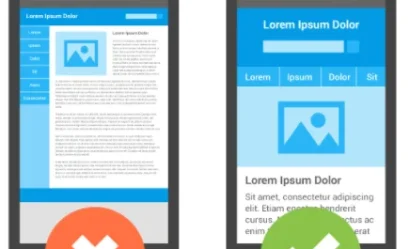
  9. Mobile-Friendly Design: With mobile-first indexing, your site must perform flawlessly on smartphones. Ensure responsive design, readable text without zooming, and accessible navigation menus.

  10. Page Speed and Core Web Vitals: Speed is a ranking factor. Optimize for Core Web Vitals, LCP, FID, and CLS, by minimizing JavaScript execution, leveraging browser caching, and using a Content Delivery Network (CDN).

  11. Schema Markup: Implement structured data to help search engines understand your content context. For local businesses, products, or articles, Schema can result in rich snippets that stand out in search results.

  12. Open Graph and Social Tags: Optimize how your content appears when shared on social media. Open Graph tags ensure that the correct title, description, and image display, increasing the likelihood of social traffic.

  13. User-Friendly Navigation: A clear navigation structure reduces friction. Ensure that important pages are accessible within three clicks from the homepage. Breadcrumb navigation further aids usability and SEO.

  14. Content Freshness: Regularly update your content to keep it relevant. Search engines favor recently updated information, especially for fast-moving topics. Auditing old posts can breathe new life into your traffic.

  15. Canonical Tags: Use canonical tags to prevent duplicate content issues. This tells search engines which version of a page is the “master” version, consolidating ranking signals and avoiding penalties.

These are concrete on page seo examples of how granular changes can lead to significant improvements in search visibility.

Practical Insights and Expert Recommendations

Implementing these tactics requires a balance between technical precision and user-centricity. An on-page SEO expert will tell you that optimization is not just about pleasing algorithms; it is about serving the user first. If you optimize for the user, the rankings often follow.

When auditing your site, look at the page as a whole. Does the H1 match the intent of the keyword? Does the internal link structure guide the user to the next logical step? If the scope of work is overwhelming, or if your site lacks the resources to implement technical changes like schema or core web vitals fixes, partnering with an on-page SEO company can provide the necessary expertise. A professional service can execute a tailored strategy that aligns with your specific market position.

Common Mistakes to Avoid

Even experienced marketers can stumble. Avoid these common errors:

  • Keyword Cannibalization
  • Ignoring Search Intent
  • Cloaking
  • Neglecting Anchor Text

Future Trends / Strategic Perspective

The future of on-page SEO lies in semantic understanding and user experience metrics. Search engines are becoming smarter at interpreting context and entity relationships. This means that simply matching keywords is no longer enough; your content must demonstrate topical authority.

Furthermore, affordable SEO service agencies, i.e., iGROWSEO, are increasingly focusing on AI-driven content analysis. Tools that assess readability, sentiment, and structure will become standard. As we move forward, the lines between technical and on-page SEO will blur, particularly with the rise of Core Web Vitals as a primary ranking signal. Staying ahead requires a commitment to quality and a willingness to adapt to algorithmic shifts.

Conclusion

On-page SEO is not a one-time setup; it is an ongoing process of refinement and optimization. By applying these 15 of the most important on-page SEO tactics, you build a robust foundation that attracts and converts organic traffic. From technical elements like Schema markup to content elements like keyword integration, every detail matters. 

If your internal team is stretched thin, consider engaging an on-page SEO service to ensure your strategy is executed with precision. Prioritize your on-page health today, and secure your visibility for the future.

FAQs

Got questions about SEO or our services? Our FAQ section gives clear, quick answers to help you understand how iGrowSEO can grow your online presence.

1. What does an SEO audit include?

Our audits cover technical SEO (speed, indexing), on-page SEO (content, meta tags),
off-page SEO (backlinks), and analytics (GA4 setup). We provide a full report with a
prioritized action plan.

Depending on the size and complexity of the site, a comprehensive audit typically takes 2 to 4 weeks. This ensures we have time to manually verify findings and build a robust strategy.

Costs vary based on scope. Enterprise audits require deep analysis of subdomains,
international targeting, and log files. We provide custom quotes based on your specific
requirements.

Free tools are limited to scanning for basic errors. They lack the context to understand
your business goals, market position, or the nuances of modern search algorithms like AI
Overviews. An agency provides interpretation, strategy, and implementation support.